Best Las Cruces Walkable Neighborhoods to Know

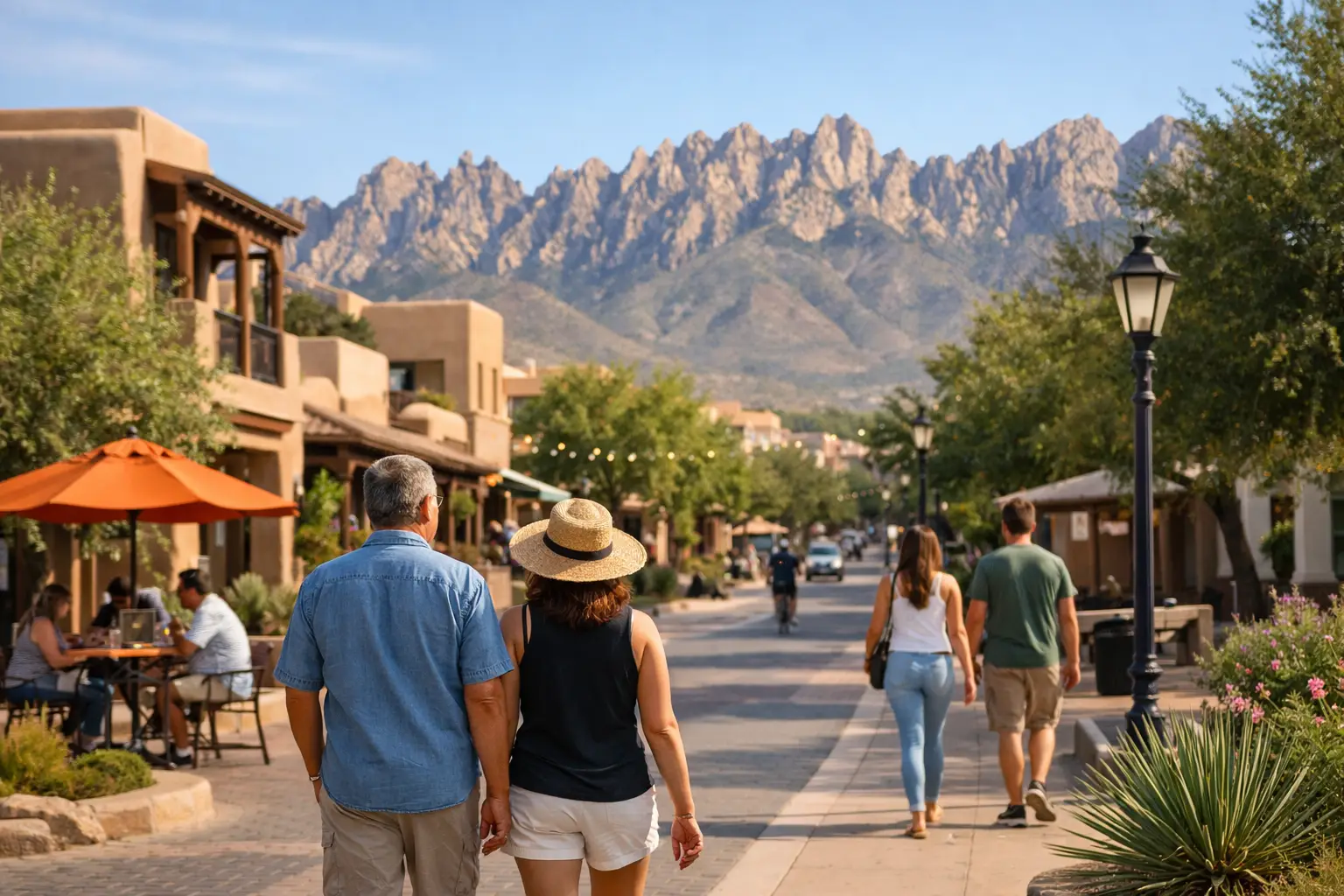
A walkable address in Las Cruces means something different than it does in a dense downtown market. Most errands still require a car, summer heat can shorten even a pleasant walk, and sidewalks vary block by block. Still, the best Las Cruces walkable neighborhoods can put restaurants, parks, schools, coffee, campus activity, or daily services within a practical walk while offering the home types buyers want.
For a buyer, walkability should be more than a listing feature. It can affect which homes compete hardest, how a property shows to relocating buyers, and which resale audience may be interested later. The right choice depends on whether you mean walkable to dining, work, school, trails, or simply a neighborhood where it feels comfortable to be outside.
What walkable looks like in Las Cruces
Las Cruces is spread out, and its strongest walkable pockets are generally older, mixed-use, or close to established activity centers. A home may be near restaurants but separated by major roads. Another may sit on quiet, sidewalk-lined streets but remain several miles from shopping. That distinction matters.
When comparing locations, look beyond the map pin. Walk the route from the actual house to the places you expect to use. Check crossings, shade, street lighting, sidewalk continuity, traffic speed, and whether you would realistically make the trip in July or after dark. A five-minute walk on paper can feel very different in person.
For many buyers, these are the areas most worth evaluating first.
Downtown Las Cruces and the Alameda Depot area
Downtown is the clearest choice for buyers who want access to local restaurants, coffee shops, events, galleries, and a more active street setting. Homes in and around the historic downtown area can place residents near Main Street, the farmers market when it is in season, cultural venues, and civic amenities.
Housing is varied. Buyers may find older single-family homes, restored historic properties, smaller lots, and some attached or infill-style options depending on the immediate block. Character is a major draw, but older homes deserve a careful transaction review. Age can bring charm along with potential electrical, plumbing, roof, foundation, drainage, or renovation-permit questions.
Downtown is not a uniform product. Some blocks feel more residential and settled, while others are closer to activity, traffic, and commercial uses. Buyers who value a quiet evening should visit at several times of day. Sellers should understand that condition and presentation carry extra weight here because buyers often compare a historic home’s features against the cost of future updates.
Best for buyers who want nearby activity
Downtown works especially well for people who want to walk to local dining and community events rather than drive for every outing. It is also a reasonable area to consider for buyers seeking an older-home alternative to newer suburban construction. The trade-off is that lot layouts, parking, storage, and interior floor plans may not match the expectations of buyers shopping newer homes.
The NMSU and Mesilla Park area
The area around New Mexico State University and Mesilla Park offers one of the most practical forms of walkability in the city: access to campus, neighborhood streets, parks, and nearby services. It appeals to faculty, staff, students, medical and research professionals, investors, and households who want a central location with established homes.
The housing stock can include mid-century properties, modest single-family homes, rentals, and homes with additions or updates completed over many decades. That variety gives buyers options, but it also makes direct price comparisons more complicated. Two nearby homes can have very different value positions based on renovation quality, legal bedroom count, lot utility, rental history, and deferred maintenance.
For owner-occupants, being close to NMSU may reduce commuting time and create a stronger day-to-day connection to campus life. For investors, the same proximity can be attractive, though rental demand should never replace a full review of condition, financing terms, occupancy rules, and projected expenses. A property that appears ideal for rental use may need more work than the purchase price suggests.
Best for campus access and central convenience
This area is often a good fit when the goal is to walk or bike to NMSU and remain close to central Las Cruces. The strongest resale appeal usually comes from homes that combine location with documented updates, usable parking, and a well-maintained exterior. Buyers should pay close attention to street-by-street differences in traffic, student activity, and property upkeep.
Old Mesilla and nearby homes
Mesilla is its own incorporated community rather than a Las Cruces neighborhood, but it belongs in any serious discussion of walkable living near Las Cruces. Its historic plaza, restaurants, shops, and cultural identity create a pedestrian-oriented destination that is difficult to duplicate elsewhere in the area.
Buyers are often drawn to the architecture, mature landscaping, larger or more distinctive parcels, and sense of place. The available inventory can be limited, and homes may vary widely in age, construction, water arrangements, zoning considerations, and renovation history. This is not a location where a simple price-per-square-foot comparison tells the whole story.
Walkability here is strongest near the plaza and established commercial core. A Mesilla mailing address alone does not mean that a home is an easy walk to those amenities. Distances, road shoulders, and the lack of continuous pedestrian infrastructure can change the experience quickly outside the central area.
Best for historic character and destination walkability
Old Mesilla can be a strong choice for buyers who prioritize local character and want restaurants and gathering places close by. Its trade-off is often price, limited inventory, and the additional due diligence that comes with older or more specialized properties. For sellers, an accurate pricing strategy should account for the home’s specific location relative to the plaza, not just the broader Mesilla label.
Central Las Cruces near parks, schools, and services
Several central residential areas do not have a single branded walkable district, yet they can be highly practical for daily life. Older sections near Main Street corridors, medical offices, schools, parks, and neighborhood retail may offer shorter drives and more opportunities to walk than outer suburban locations.
This category requires more targeted home searching. One block may have mature trees, sidewalks, and easy access to a park, while another nearby block may face a busy arterial road with limited crossing options. Buyers should define the amenity that matters most, whether that is an elementary school, a grocery store, a medical appointment, or a trail connection, then search outward from that point.
These areas can also offer meaningful value because they may not carry the same name recognition as Downtown or Mesilla. The key is to separate a genuinely convenient location from a property that is merely central on a city map. A showing route during normal traffic hours is often more informative than an online walk score.
Walkability and resale value are related, not guaranteed
A walkable location can broaden a home’s appeal, but it does not automatically create a higher sale price. Buyers still weigh condition, square footage, bedroom and bathroom count, lot size, views, garage space, and the availability of comparable homes. In Las Cruces, a newer home farther from shops may compete very effectively against an older home near downtown if it offers lower expected maintenance and a more current floor plan.
That is why sold-home data matters. When pricing or making an offer, compare homes with similar condition and buyer appeal, then account for the location advantage realistically. A nearby restaurant district may be valuable to one buyer and irrelevant to another. The market decides how much that feature contributes, based on actual closed sales rather than assumptions.
How to shop the best Las Cruces walkable neighborhoods
Start with a practical weekly routine. Identify the places you would visit most often, then consider which neighborhoods make those trips possible without relying on a car every time. If you are relocating, include your commute, health care needs, school preferences, and tolerance for summer walking.
Next, evaluate the property and its route together. Look for sidewalks, safe crossings, shade, drainage, and parking. Ask whether nearby commercial activity creates convenience, noise, traffic, or all three. Finally, review recent sales with an agent who can distinguish between a broad area label and the specific block, condition, and buyer demand that shape value.
A home does not need to be walkable to everything to be a smart purchase. The best fit is the one that supports your daily routine, matches your budget, and has a resale story grounded in real Las Cruces sales activity. Las Cruces Sold can help you compare available homes and recent local outcomes before you make an offer or set a list price.
Categories
Recent Posts