
How to Prepare House for Sale Las Cruces

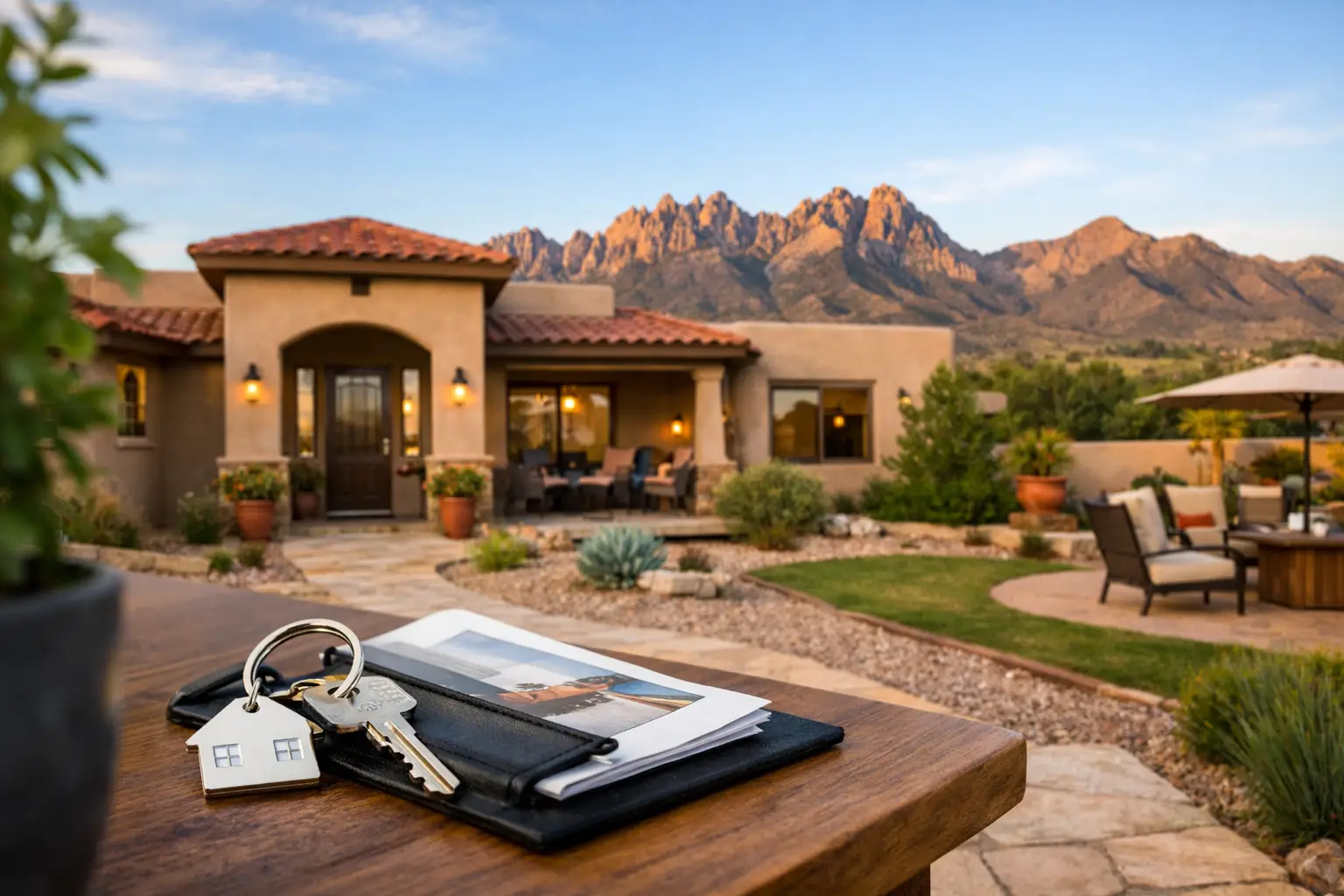
A home can be clean, comfortable, and full of good memories while still needing focused work before it competes for buyers. If you are searching for "how to prepare house for sale Las Cruces," start with the details that influence a buyer's first impression, an appraiser's supportable value, and an inspector's report. The goal is not to make your house look like someone else lives there. It is to present a well-maintained property at a price the local market can support.
How to Prepare a House for Sale in Las Cruces
Las Cruces buyers often compare several homes in a short time. They may be weighing condition, square footage, outdoor space, school proximity, views, refrigerated air, and the cost of updates. A home that feels cared for and is priced in line with recent nearby sales has a much stronger starting position than one that asks buyers to overlook obvious maintenance.
Preparation should begin before photos are scheduled and before a price is selected. Give yourself enough time to make decisions without rushing through repairs or accepting the first estimate you receive. For many sellers, three to six weeks provides a practical window, although a larger repair project or an occupied household may require longer.
Start With Sold Homes, Not an Online Estimate
An automated value estimate can be a useful reference point, but it cannot see the condition of your kitchen, the quality of your backyard, a recent roof replacement, or a view that changes buyer interest. It also may not accurately account for differences between nearby subdivisions, lot sizes, age of construction, or homes with and without refrigerated air.
Start by reviewing recent sales that are genuinely comparable to your home. The most useful sales are typically close by, similar in size and age, and sold recently under normal market conditions. Then compare their condition to yours honestly. If nearby homes sold quickly after updated interiors and polished landscaping, that does not mean you must renovate everything. It does mean your price and presentation should reflect the difference.
Current active listings matter too, because they are the alternatives buyers will see. Pending sales can offer another useful signal, although the final sale price is not yet public. A local pricing conversation should connect all three: sold homes, current competition, and your home's specific condition.
Fix the Items That Create Doubt
Buyers do not expect every resale home to be perfect. They do react strongly when several small issues combine into a larger message: deferred maintenance. A dripping faucet, burned-out exterior light, loose door handle, stained ceiling, and cluttered garage can make buyers wonder what they cannot see.
Walk through the home as if you were seeing it for the first time. Look at it in daylight, at night, and from the street. Make a repair list, then separate it into safety concerns, visible maintenance, and optional cosmetic upgrades.
Prioritize these items before listing:
- Roof concerns, plumbing leaks, electrical issues, HVAC problems, and signs of water damage
- Cracked or peeling stucco, damaged trim, broken windows, and doors that do not close properly
- Inoperative appliances or fixtures that will be included in the sale
- Failing caulk or grout around tubs, showers, sinks, and kitchen counters
- Unpermitted additions, conversions, or other property details that need to be discussed accurately
In Las Cruces, exterior condition deserves special attention. Bright sun can highlight worn paint, cracked stucco, faded trim, and neglected landscaping. Desert winds can leave dust on windows, patio furniture, screens, and entryways. Clean those surfaces close to photography and showings rather than assuming a one-time cleaning will last.
If your home has an evaporative cooler, refrigerated air system, septic system, well, pool, spa, solar equipment, or irrigation features, make sure you understand its condition and maintenance history. Buyers are likely to ask. Service records, warranties, and manuals can make the conversation easier and reduce uncertainty.
Do Not Over-Improve for the Neighborhood
A full remodel is not automatically the best route to a better sale. Major projects take time, can uncover additional expenses, and may not return their full cost in your price range. The right answer depends on the home's current condition and how it compares with nearby sales.
For example, replacing badly worn flooring or painting a strongly personalized room may be worthwhile because those changes affect nearly every showing. Replacing functional cabinets solely to follow a design trend may be harder to justify. Before starting expensive work, compare the likely cost, your listing timeline, and what buyers already expect in your area.
Create a Clear First Impression Outside
The buyer's decision starts before the front door opens. A tidy exterior suggests the rest of the property has received the same care. That matters whether your home is a newer build in a planned community, an established home near New Mexico State University, or a property with more land outside city limits.
Keep the front approach simple and clean. Remove weeds, trim overgrown plants, refresh gravel where it has thinned, and clear leaves or debris from the walkway. Wash the front door and consider repainting it if the finish is visibly worn. Check house numbers, porch lights, mailbox condition, and the gate or fence nearest the entry.
Xeriscape landscaping can be a selling point when it looks intentional. Buyers should see maintained beds, healthy plants, and defined edges, not a yard that appears abandoned. If you have a shaded patio, a mountain view, mature trees, or a functional outdoor living area, make sure it is visible rather than blocked by stored items or overgrown vegetation.
Make Rooms Feel Larger and Easier to Evaluate
Decluttering is not just about appearance. It helps buyers understand room size, storage capacity, and layout. Pack away personal collections, excess furniture, countertop appliances, and off-season clothing. Clear kitchen and bathroom counters almost completely, but do not strip the house until it feels empty or impractical.
Depersonalizing has value as well. Family photos, highly specific decor, and bold political or sports items can distract buyers from the property itself. Neutral does not have to mean bland. A clean, lived-in home with a few well-placed accessories usually photographs better than a room filled with personal belongings.
Pay close attention to light. Open blinds and curtains, replace mismatched bulbs, and use consistent warm or neutral lighting where possible. Clean windows inside and out. In a market where buyers may tour homes after work, a bright interior and working exterior lighting can make a meaningful difference.
Clean for Photos, Then Clean Again for Showings
Professional listing photos should be scheduled only after the house is fully prepared. Photos cannot solve clutter, poor lighting, or a visibly neglected exterior without creating a mismatch between online expectations and the in-person visit.
Before photography, remove vehicles from the driveway, hide trash and recycling containers, secure pet items, and clear bathroom counters. Close toilet lids, straighten beds, and remove refrigerator magnets and paperwork. In the kitchen, a few simple items are enough. Buyers need to see counter space, not a staged display.
Once the listing is live, create a short showing routine that your household can repeat. Put away dishes, wipe counters, make beds, open shades, and take pets with you whenever possible. This is especially useful if you expect to remain in the home during the listing period. Consistency protects the effort you put into the initial preparation.
Prepare the Paperwork Before an Offer Arrives
A clean transaction also depends on information. Gather utility bills, repair invoices, service records, permits, warranties, survey documents if available, and homeowners association information. If you know of a past repair, water event, insurance claim, or system issue, discuss it early with your real estate professional so disclosures can be handled accurately.
Being prepared does not mean volunteering speculation or attempting to solve every possible buyer concern in advance. It means having reliable documents and clear answers when appropriate. That can prevent avoidable delays once inspections, appraisal, title work, and buyer financing begin.
The best time to make a selling plan is before the sign goes up. A local review of recent sold homes, a realistic repair list, and a property-specific pricing strategy can help you enter the market with fewer surprises and a clearer path to a successful closing.
Categories
Recent Posts