
Moving to Las Cruces New Mexico? Start Here

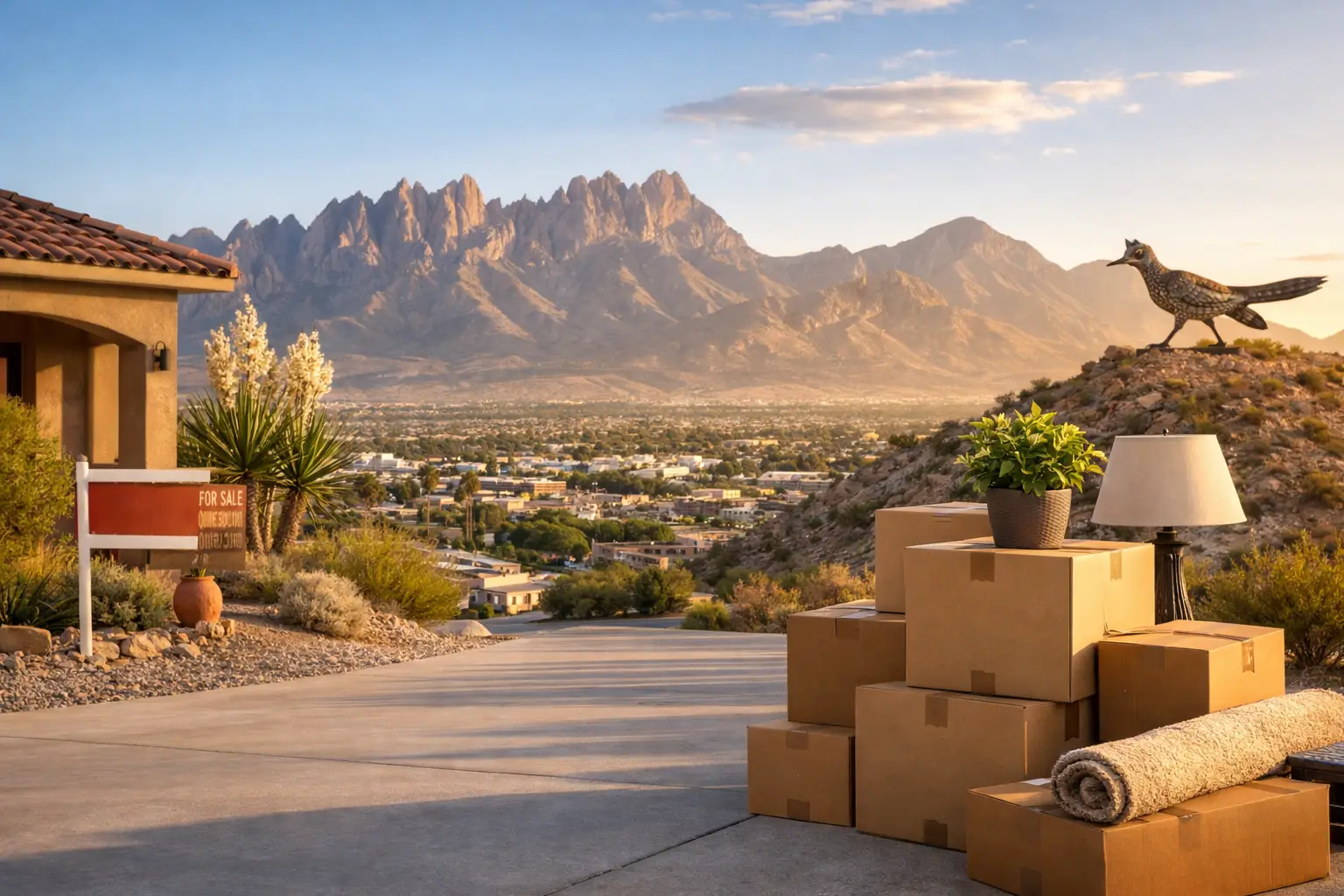
A move to Las Cruces can look very different on paper than it does once you start comparing homes, commute routes, and property taxes. If you are moving to Las Cruces New Mexico, the best first step is not choosing a favorite neighborhood from a map. It is understanding what homes are actually selling for, what your budget buys in different parts of town, and which daily-life trade-offs matter to your household.
Las Cruces is a distinct residential market with a wide range of housing types, from established single-family neighborhoods and newer subdivisions to acreage properties, townhomes, and homes near New Mexico State University. The right purchase depends on more than square footage. Lot size, age, condition, location, views, irrigation or well considerations, and access to work all affect value and long-term ownership costs.
Why Las Cruces Draws New Residents
Las Cruces offers a smaller-city pace while maintaining access to major employers, higher education, health care, outdoor recreation, and the El Paso region. New Mexico State University is a significant part of the local economy and community. White Sands Missile Range and other regional employers also create demand from military-connected households, contractors, and relocating professionals.
Many buyers arrive looking for more home or land than they can find in larger metro areas. That can be possible here, but it is not a guarantee that every property is a bargain. A well-maintained home in a desirable location, especially one with updates, mountain views, a larger lot, or a convenient commute, may attract strong buyer attention. Looking at recent sold homes is more useful than relying on a statewide average or an old online estimate.
The climate is another practical factor. Las Cruces has abundant sunshine, hot summers, mild winters, and a high-desert environment. Buyers who are used to humid climates often appreciate the dry air, while others need time to adjust to summer heat and the realities of xeriscape landscaping. A shaded patio, efficient windows, refrigerated air, and a well-designed outdoor space can carry real value in this market.
Choosing Where to Live When Moving to Las Cruces New Mexico
There is no single best area of Las Cruces. Each location comes with a different mix of housing stock, price point, commute, and neighborhood feel. Start with the practical constraints of your move: your target purchase price, preferred property type, work location, school needs, and how much maintenance you want to take on.
Established neighborhoods and central locations
Central Las Cruces can offer proximity to services, dining, schools, medical facilities, and New Mexico State University. Housing in established areas may include mature landscaping, character, and larger lots, but age matters. Buyers should pay close attention to roof condition, electrical systems, plumbing, heating and cooling, drainage, and prior renovations. An older home that is priced attractively may still require a larger repair reserve.
Newer subdivisions and planned communities
Newer construction and planned communities can appeal to buyers who prioritize modern floor plans, newer systems, and lower immediate maintenance needs. However, compare more than the base price. Some neighborhoods have homeowners association fees, lot premiums, or restrictions on parking, exterior changes, and RV storage. Ask what is included, what is not, and whether nearby phases of construction could affect traffic or views.
East Mesa, Sonoma Ranch, and northeast options
Areas on the east side and northeast of Las Cruces are often considered by buyers seeking newer homes, foothill access, or views of the Organ Mountains. Inventory, lot sizes, and prices can vary significantly from one subdivision to the next. A home with views may command a premium, and a few blocks can make a meaningful difference in commute time, utility service, or resale appeal.
Rural and acreage properties
Properties outside the city or on larger parcels can provide space, privacy, workshops, animals, or room for equipment. They also require more due diligence. Water source, septic systems, road access, zoning, flood considerations, propane, well performance, and maintenance responsibilities deserve careful review before an offer is written. A lower purchase price does not always mean lower total ownership costs.
Build a Budget Around the Full Cost of Ownership
Your approved loan amount is not the same as your comfortable purchase budget. Before shopping seriously, estimate your monthly payment with principal, interest, property taxes, homeowners insurance, and any homeowners association dues. Then leave room for utilities, maintenance, moving expenses, and repairs after closing.
Cooling costs can be especially relevant in southern New Mexico. During a showing, ask about the type and age of the HVAC system, whether the home has refrigerated air or evaporative cooling, insulation improvements, window quality, and recent utility history when available. A home that looks similar to another listing may perform very differently during the hottest months.
If you are using a VA, FHA, conventional, or cash purchase strategy, get clear on how your financing affects your offer. Some homes may need repairs before they meet lender or appraisal requirements. A pre-approval from a lender familiar with your loan type helps you set realistic expectations before you fall in love with a property.
Use Sold-Home Data, Not Just List Prices
List prices show what sellers hope to receive. Sold prices show where buyers and sellers actually reached agreement. That distinction matters when you are relocating and do not yet have a feel for local value.
When comparing homes, look for recent sales that are genuinely similar in location, size, age, condition, lot type, and features. A nearby sale may not be a useful comparison if it has a renovated kitchen, a three-car garage, a pool, a view lot, or substantially more land. The same is true when evaluating a home that has been on the market for several weeks. Time on market can signal an opportunity, but it can also point to a pricing, condition, or location issue worth investigating.
For buyers, sold-home information supports a stronger offer strategy. For owners moving into town before selling another property, it helps set a realistic target and avoid stretching based on asking prices alone. Las Cruces Sold focuses on this outcome-driven view of the market: what comparable homes have sold for and what that means for your next decision.
Plan Your Search Before Your House-Hunting Trip
Relocating buyers often have limited time in town. A productive visit begins with a filtered search rather than a long list of loosely related homes. Identify your non-negotiables, such as minimum bedrooms, one-story living, garage space, commute distance, or acreage. Then separate preferences, such as a view, fireplace, updated finishes, or a specific school area.
Before touring, review property disclosures, lot dimensions, taxes, HOA information, and available photos carefully. During the visit, drive the area at different times if possible. A neighborhood can feel quiet at midday and much busier during school pickup or commuter hours. Check grocery access, medical care, routes to work, and the distance to the activities your household will use regularly.
For out-of-state buyers, it is also wise to understand local contract timelines and inspection practices before submitting an offer. Inspection periods move quickly, and the findings can affect repair requests, credits, lender requirements, or your decision to proceed. An experienced local agent can coordinate the process, explain property-specific risks, and keep deadlines from becoming an expensive surprise.
Questions to Ask Before You Make an Offer
The best questions are specific to the property, but buyers should consistently investigate ownership costs and condition. Ask about the roof's age, HVAC service history, utility providers, any HOA rules, water and sewer service, and whether the property has had insurance claims or drainage concerns. For rural homes, expand that review to wells, septic, easements, road maintenance, and access rights.
Also ask how the price was established. If the home is competing with recent sales, that may support a confident offer. If the seller's number is materially higher than comparable closed sales, your agent should help you understand whether distinctive features justify the difference or whether negotiation is appropriate.
A Las Cruces move works best when your home search is treated as a market decision, not a weekend of open houses. Start with sold prices, narrow your areas based on how you actually live, and give each property the level of due diligence its location and condition require. That preparation gives you a better chance of buying a home that fits on closing day and continues to make financial sense after you settle in.
Categories
Recent Posts