
Why Las Cruces Homes Linger on the Market

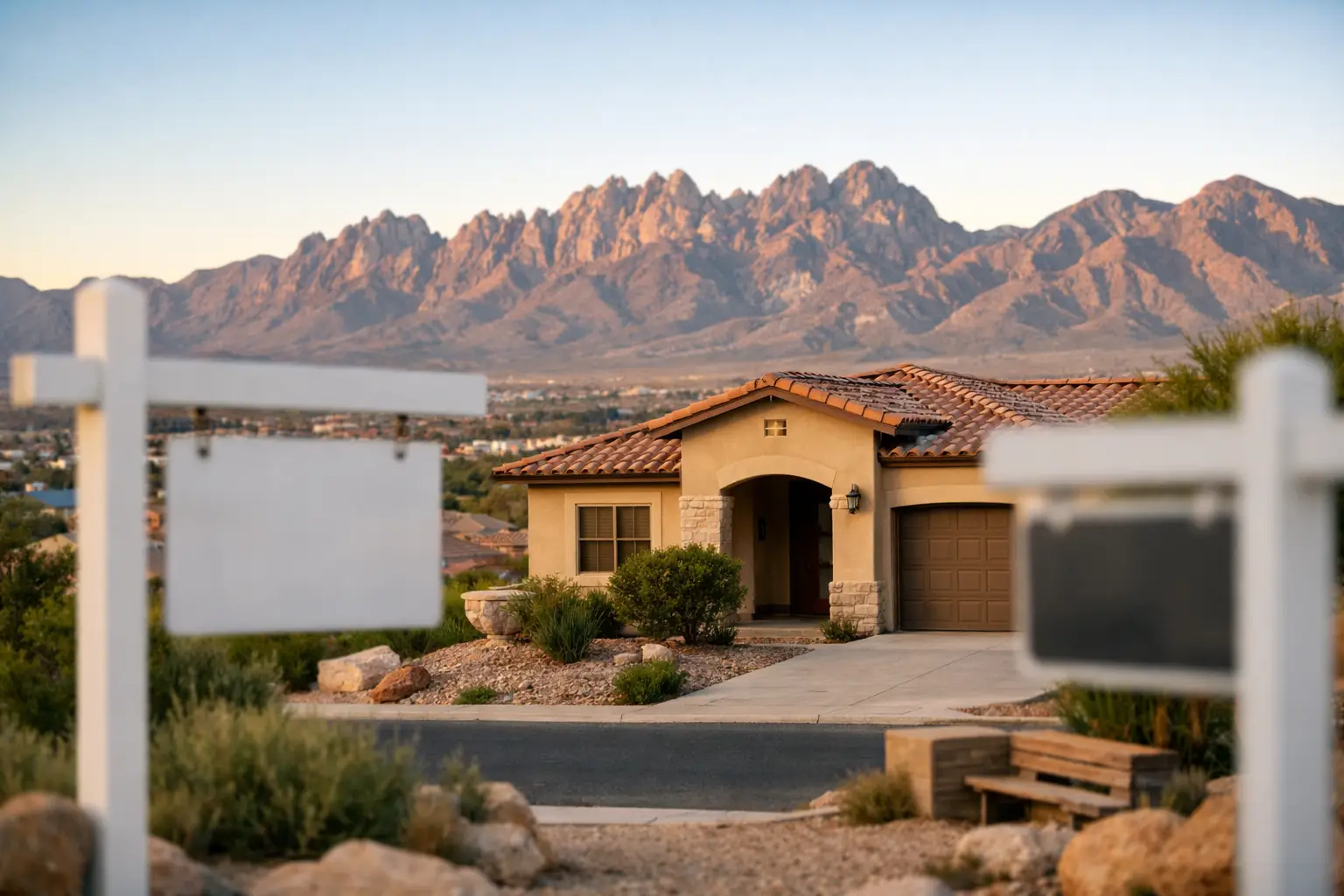
A home can receive online views, showings, and even favorable comments without receiving an offer. That gap is usually where sellers start asking why Las Cruces homes linger when a property seemed likely to sell. The answer is rarely one thing. It is the relationship between the home, its asking price, its competition, and the buyers actively shopping in that specific part of the market.
Las Cruces is not a one-price-fits-all market. A newer home in Sonoma Ranch competes differently than an established property near Mesilla, a low-maintenance townhome on the east side, or a home with acreage outside city limits. Sellers get better results when they stop measuring their listing against the whole city and start measuring it against the homes a buyer would realistically choose instead.
Why Las Cruces Homes Linger: The Main Reasons
The price is ahead of the evidence
Price is the most common reason a listing loses momentum, but that does not always mean a seller is dramatically overpriced. Sometimes the difference is small enough to keep a home in buyers' saved searches while still preventing them from scheduling a showing. Other times, buyers tour the property but decide that a similar home offers more square footage, newer finishes, a better lot, or a more convenient location for the same money.
A list price should be supported by recent closed sales, but sold data needs context. A home that closed six months ago may have entered the market under different inventory, interest-rate, and buyer-demand conditions. It may also have had features your property does not have, such as a three-car garage, a pool, upgraded HVAC, a view lot, or a more desirable school-area location.
Active listings matter, too. Closed sales show what buyers paid. Active listings show the alternatives buyers see today. Pending homes can offer another useful signal because they indicate which pricing and property combinations are attracting contracts now.
The home misses the first showing online
For many buyers, the first showing happens on a phone. If the lead photo is dark, the rooms feel crowded, or the listing lacks clear information, buyers may move on before they ever see the home in person.
This is especially costly when inventory gives buyers choices. A well-presented listing does not need expensive staging in every case, but it does need to make the home's value easy to understand. Clean rooms, strong natural light, accurate dimensions, and photos that show the flow of the house help buyers decide whether it is worth their time.
The details matter in Las Cruces. Buyers often want to see the covered patio, backyard orientation, mountain views, storage, workshop space, RV access, refrigerated air, and the condition of outdoor areas. If a feature adds value but is not visible or clearly described, the listing may not receive credit for it.
Condition creates a larger discount than sellers expect
Most buyers can accept one project. They become cautious when they see several. Dated flooring, worn paint, deferred roof maintenance, aging mechanical systems, and landscaping that appears neglected can lead a buyer to assume there are additional issues they cannot see.
That does not mean every seller needs a full remodel before listing. In fact, major renovations do not always return dollar-for-dollar at resale. The goal is to address the items that create doubt or make the home feel harder to finance, insure, or occupy right away. Fresh neutral paint, a deep cleaning, basic repairs, and a realistic price adjustment may outperform a costly improvement made for a seller's personal taste.
The trade-off is straightforward: sell as-is at a price that reflects the work, or invest in targeted preparation to compete at a higher level. What usually fails is asking buyers to pay move-in-ready money for a home that clearly needs attention.
The property has a narrow buyer pool
Some homes take longer because their likely buyer group is smaller. A large custom home, a property with extensive acreage, an unconventional floor plan, a home near a busy road, or a property with specialized features may be appealing to the right buyer but not to every buyer.
A narrow buyer pool is not a defect. It changes the strategy. These listings require especially precise pricing, complete property information, and patience that is grounded in the actual number of qualified buyers rather than a hoped-for timeline. Sellers should also expect buyers to compare more carefully when a property has unique characteristics.
Location can create this effect even within the same ZIP code. Access to major routes, proximity to employment centers, lot position, neighborhood upkeep, school preferences, and views can all affect demand. Comparable sales should be selected with those differences in mind, not simply because they are nearby.
The listing is not keeping up with the market
A listing that has been active for several weeks without meaningful interest sends a message to buyers. They may wonder whether the seller is inflexible, whether inspections revealed an issue, or whether the home will need a substantial reduction later. That perception can make buyers wait instead of offering.
The strongest response is not to leave the listing unchanged and hope the next buyer sees it differently. Review showing activity, feedback, online engagement, competing inventory, and any shifts in mortgage rates or local demand. Then decide whether the issue is price, presentation, access, condition, or some combination.
A modest, well-timed correction often performs better than a larger reduction after months on market. Buyers notice when a home is repositioned to meet current competition. They also notice when a home remains priced for a market that has already moved on.
What Sellers Should Measure Before Changing Course
Before reducing price or starting repairs, look for the pattern. A home with very few showings may have a search-position problem, usually price, photos, or incomplete listing information. A home with frequent showings but no offers may be losing the comparison once buyers walk through it. A home that receives low offers may be close to market value but misaligned with the seller's expectations.
Ask for specific feedback rather than general comments. Did buyers object to the primary bedroom size, road noise, dated bathrooms, lot layout, or price? Did multiple agents mention the same competing home? Repeated feedback is market evidence, even when it is difficult to hear.
It also helps to separate items a seller can control from those they cannot. You cannot change a home's location or eliminate every feature a buyer may dislike. You can improve presentation, provide access for showings, disclose known conditions appropriately, price against current alternatives, and respond quickly when the market gives a clear signal.
A Practical Reset for a Stale Listing
When a property has lost momentum, start with a fresh competitive review. Compare it with homes that have sold, gone pending, and remained active in the same price range and buyer category. Do not focus only on averages. Look at usable square footage, lot size, age, upgrades, garage capacity, outdoor space, and location factors that affect a buyer's choice.
Then review the listing as a buyer would. Are the first photos compelling? Is the property easy to tour? Does the description answer practical questions? Are repairs or improvements needed before the next round of marketing? A seller may not need to change everything, but the changes should be visible enough to alter the buyer's comparison.
Finally, set a decision point. If the home is repositioned through improved condition, new marketing, or a price adjustment, track the response over the next set of showings. A plan with a timeline is more effective than making small changes indefinitely without measuring results.
Buyers should pay attention to lingering homes, too. Time on market can create an opportunity, but it should prompt good questions rather than automatic assumptions. Review comparable sales, inspect carefully, understand the home's condition, and structure an offer around evidence. A listing that has lingered may be overpriced, or it may simply need the buyer whose priorities match the property.
For sellers, the most useful next step is to replace guesswork with a current, neighborhood-specific review of what homes are actually selling for. Las Cruces Sold can help turn that information into a clear plan for pricing, preparation, and a stronger path to contract.
Categories
Recent Posts